If you own a plumbing, HVAC, electrical, roofing, or remodeling business, you may have heard that you should be running Google Ads. But that advice leaves out an important question: should you use Local Services Ads, traditional Google Search ads, or both?
They can both put your business in front of people searching for a service. The difference is how customers find and contact you, what you pay for, and how much control you have over the campaign. Understanding those differences can help you invest in leads that turn into the jobs you actually want.
What Are Local Services Ads?
Local Services Ads (LSAs) are listings designed to connect eligible local service businesses with nearby customers. A person can contact a business from its listing, often by calling or sending a message. Businesses must complete Google’s applicable verification requirements before their ads can run.
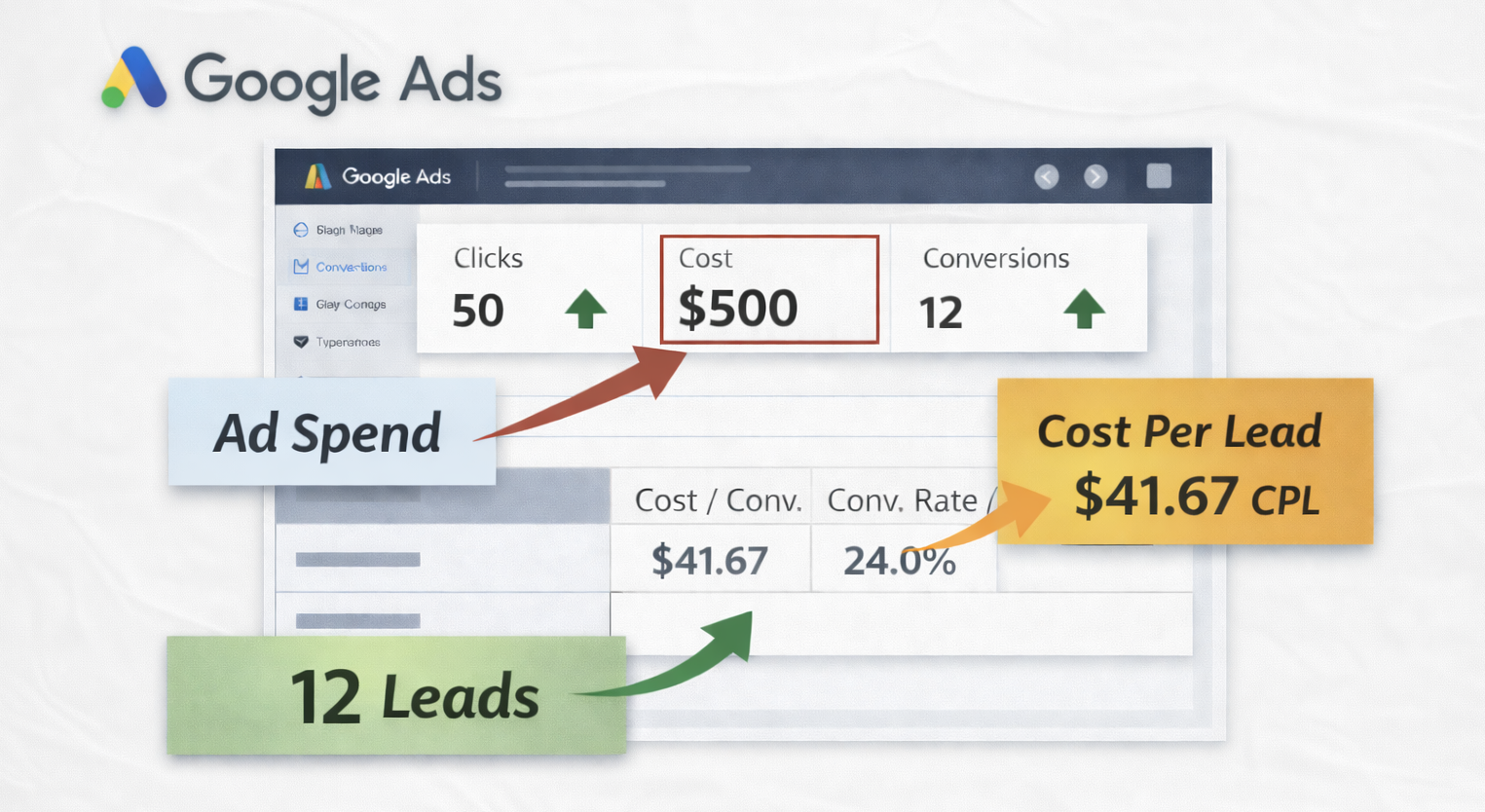
With LSAs, you generally pay for valid leads rather than website clicks. That sounds appealing, but a lead is not the same thing as a booked job. You still need to answer promptly, confirm the work is a good fit, and follow through on the estimate.
What Are Google Search Ads?
Google Search ads can appear when someone searches for terms relevant to your business. You can choose the services and locations to target, write ads around specific offers, and direct visitors to a relevant page on your website.
Search ads generally charge for clicks. A click may lead to a call or form submission, but it does not guarantee one. Your targeting, landing page, and follow-up process all affect whether that traffic becomes paying work.

Local Services Ads vs. Google Ads: The Key Differences
- How you pay: LSAs generally charge for valid leads. Google Search ads generally charge for clicks.
- Where the customer goes: An LSA encourages direct contact from the listing. A Search ad can send someone to a service page or dedicated landing page.
- Campaign control: Search ads give you more room to tailor keywords, ad copy, and landing pages to specific services. LSAs rely more heavily on your business profile, service settings, and eligibility.
- What you need to measure: For either option, track qualified inquiries, booked estimates, and won jobs—not just the number of leads.
When Might Local Services Ads Be a Good Fit?
LSAs may be useful when your business is eligible, serves a clearly defined area, and has someone available to respond to new inquiries. They can be especially practical for services where a customer wants to speak with a provider quickly.
Before increasing your budget, look at the actual conversations coming in. Are callers in your service area? Are they asking for work you offer? Are your team members answering and following up? Those answers tell you more than lead volume alone.
When Might Google Search Ads Be a Better Fit?
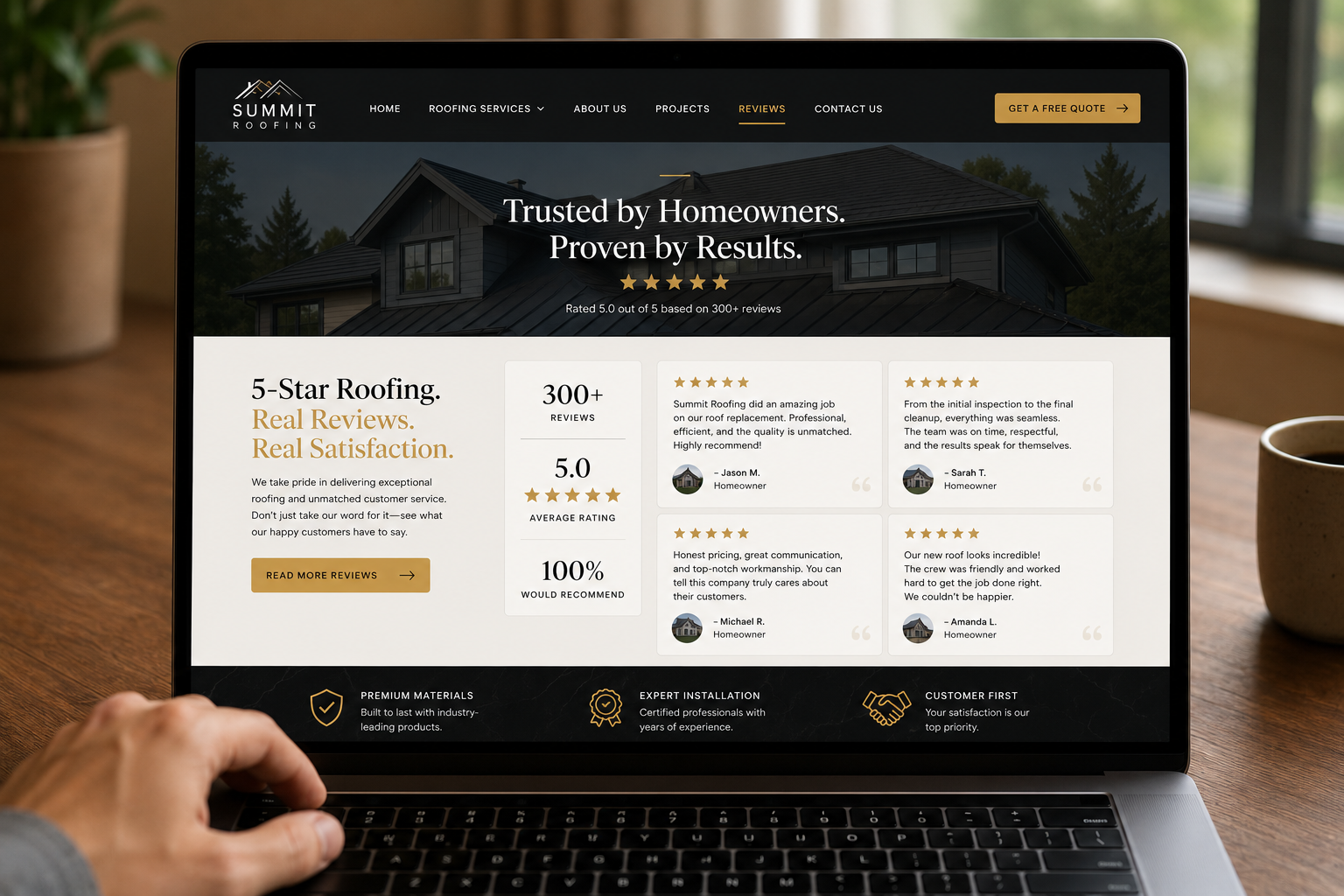
Search ads may be a strong choice when you want to promote a particular service, reach customers searching with specific intent, or guide visitors to a page that explains your process and shows your work. For example, a remodeling company pursuing larger kitchen projects may need more space to show its portfolio and explain what a project involves.
That flexibility comes with more decisions. The search terms you target, the areas you serve, and the page people land on all need attention. If your website is difficult to use or the next step is unclear, more clicks may simply mean more wasted spend.

Can a Home Service Business Use Both?
Yes. For some established businesses, the two formats can serve different purposes. Local Services Ads may bring in direct inquiries for eligible services, while Search ads can support specific campaigns and send visitors to relevant pages on your site.
Using both only makes sense if you can see what happens after the inquiry. Compare the cost per qualified lead, estimate, and booked job for each campaign. A channel with more leads is not necessarily the one producing better work for your business.
How to Decide Where to Start
Before choosing a campaign, answer these four questions:
- Which services do you most want to sell? Focus on the jobs that fit your team, capacity, and revenue goals.
- Where do you want those jobs? Define the communities you can realistically serve.
- Who will handle new inquiries? Decide how calls and forms will be answered, tracked, and followed up.
- How will you judge success? Look beyond clicks and leads to estimates and closed jobs.
If you are already advertising, review that data before launching another campaign. You may find that your biggest opportunity is improving your service page or lead follow-up rather than increasing your budget.
Build a Lead Generation Plan Around the Jobs You Want
There is no universal winner between Local Services Ads and Google Search ads. The right approach depends on your services, eligibility, market, website, and ability to respond to leads.
Holy Hill Media helps established home service businesses connect their advertising, websites, and lead tracking to their growth goals. Contact our team to discuss which opportunities make sense for your business.